Come summers, and our focus is on keeping our bodies hydrated with various types of drinks. The weather up North makes it more important to hydrate oneself, due to the extreme conditions.
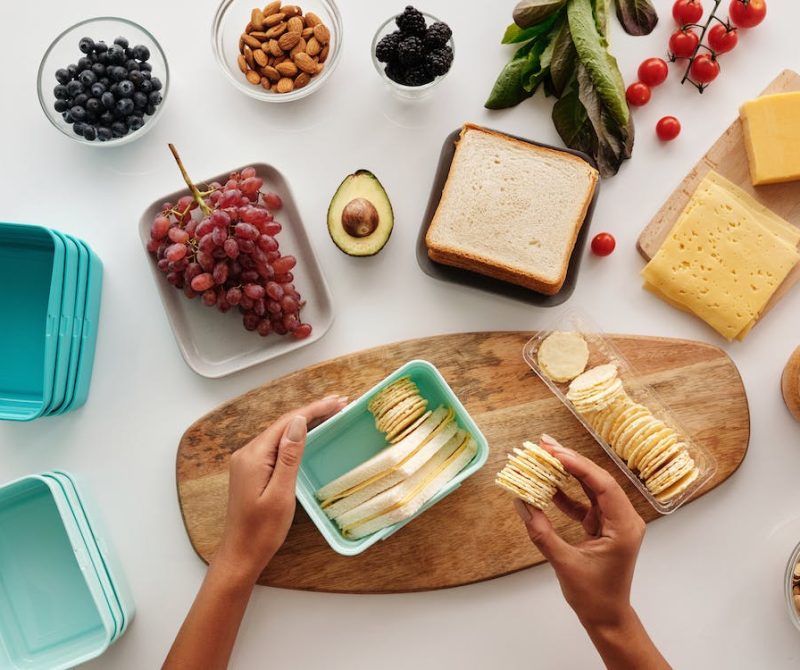
We all are concerned about our health while eating out or traveling. We tend to have junk or unhealthy food while we are not at home. We usually relate pleasure with junk food while eating out or traveling, but we would like you to know that while you eat out and travel, you can also enjoy healthy foods. You can get the same pleasure you are seeking in junk food. Healthy travels start with healthy choices: Learn how to avoid junk food and incorporate nutritious options on the go. For short travel/eat-outs, it is suggested to have a fibrous meal before you leave. This will ensure you don’t overeat outside. Here are some quick and healthy food options that you can carry along: Salads Any seasonal fruit or vegetable salad sticks Baked…...
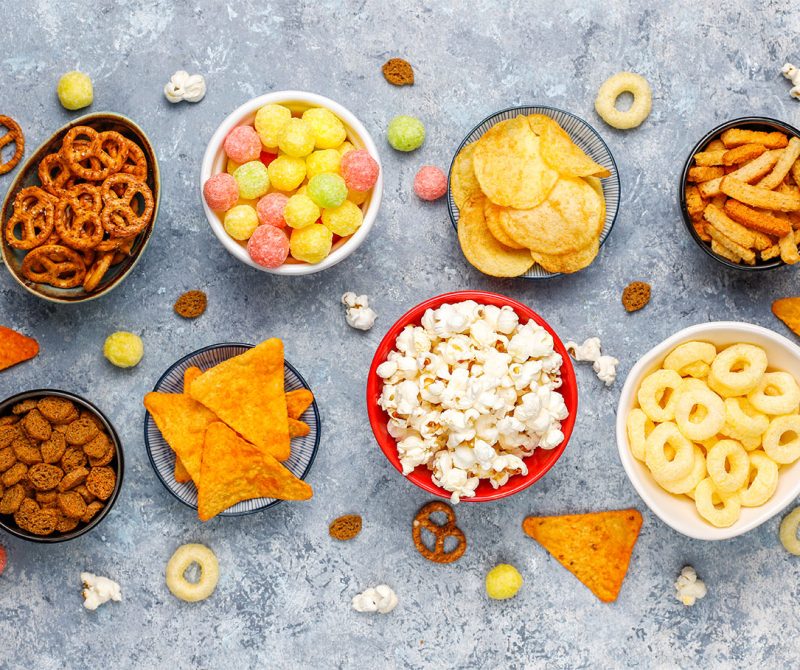
In this fast-paced world, we have seen food supplies and dietary patterns change continuously. Over the last few years, eating patterns and food habits have shifted considerably over the world. Our diets have been impacted by a variety of variables, including technology, means of transportation used to get goods to stores, media, government, trade, and travel. Ageing, globalization, and urbanization all contribute to deciding what people eat and how it affects their nutritional state. Hence, it is no doubt that nutrition-related non-communicable diseases (NCDs) are on the rise worldwide, owing to the shift from traditional to modern eating habits–especially with the increased consumption of ultra-processed foods (UPF). The increase in ultra-processed foods is known to be a major factor in this continuous change. As a result, the consumption and manufacturing…...
If you think about it, our brain works day and night, even when we are sleeping! It’s like an engine which requires continuous fuel in order to function properly. This fuel is nothing but food that you consume. For a car, it's not important how much petrol or diesel you put in it, but rather what you put. If you put diesel in a petrol car, you will end up spoiling the entire car system. Similarly, it's important to focus on what you eat. Because not only does it ensure proper functioning of your bodies, but it is also responsible for affecting your mood. Did you know? Our brain is about 2% of our total body weight. Studies show that if we extract all the water from our brain now,…...
A wise person once said, ‘You reap what you sow.’ In order to make menopause easier, you must sow good diet and lifestyle habits today to cultivate a healthier life in the future. Your present style of diet and lifestyle will determine how your body reacts to the symptoms and effects of menopause. Whether you are in your puberty, pregnancy stage or in your early 40s, being well informed about menopause will make it easier to deal with later. Let's begin by talking about how to deal with the effects during the time of menopause Menopause is not a disease! It is a natural process that takes place for women aged 45-55. Sometimes, people also experience early menopause, which is happening because of an increasing stressful lifestyle. The more the…...